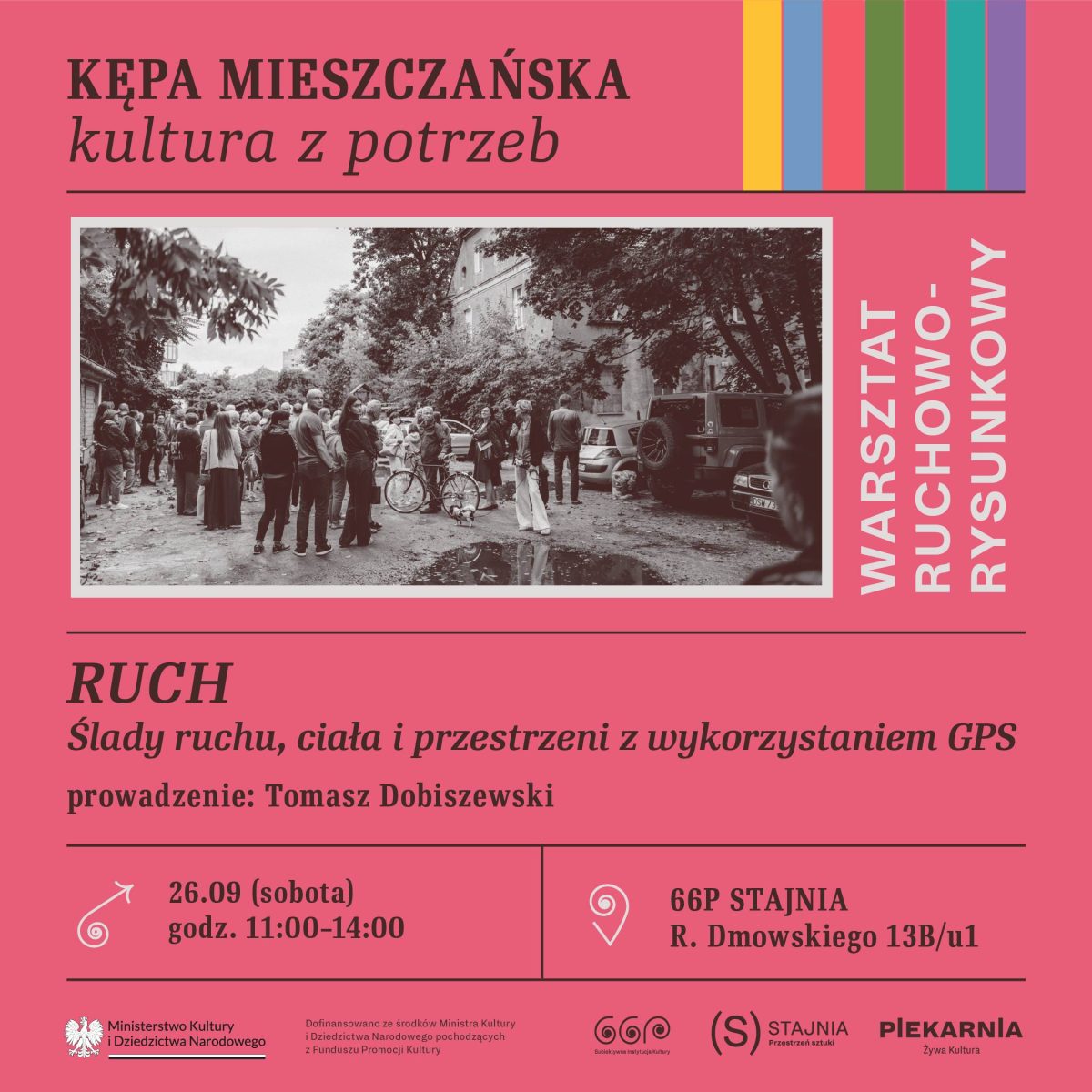
On September 26th, we invite you to the last educational workshop in the series "Kępa Mieszczańska: From Needs to Culture". The workshop will offer an opportunity to discover how everyday movement can be not only a means of getting around, but also a tool for attentively exploring the city, our own bodies and our relationship with our surroundings. We will look at how technology records our actions, but also at how the routes we choose reveal our individual rhythms, habits and ways of using space.
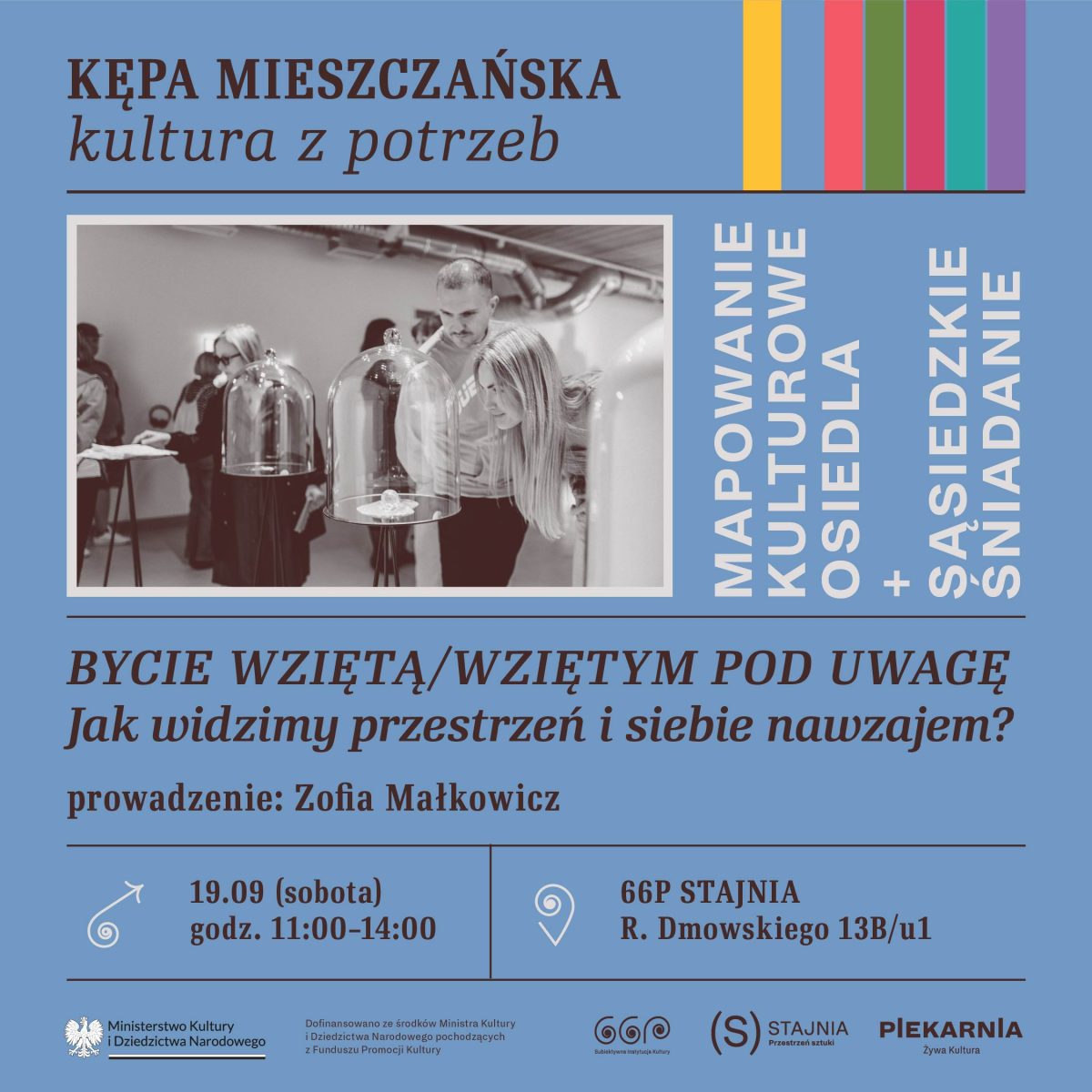
On September 19th, we invite you to the next educational workshop in the series "Kępa Mieszczańska: From Needs to Culture". Join us for a family and neighbourhood gathering combined with a walk, during which we will create a map of Kępa Mieszczańska together – not the official one, but a personal map made up of our memories, experiences and stories about the places that matter to us.
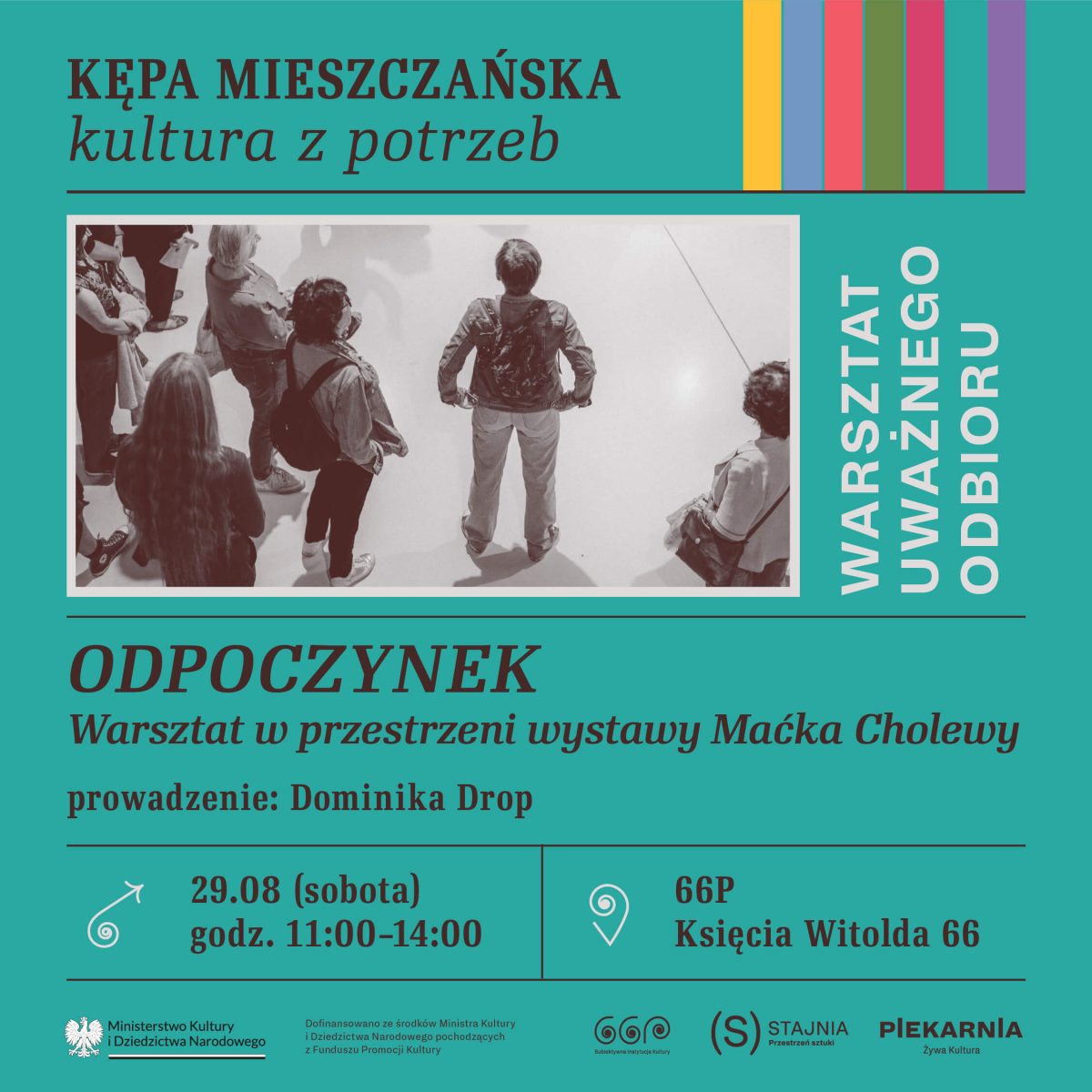
On August 29th, we invite you to the next educational workshop in the series "Kępa Mieszczańska: From Needs to Culture". The starting point for the meeting will be Maciek Cholewa’s exhibition Rumour Has It, which explores the gaze, imagination and the relationship between the local and the global. During the workshop, we will try to slow down and discover what happens when we allow ourselves simply to be with the works.
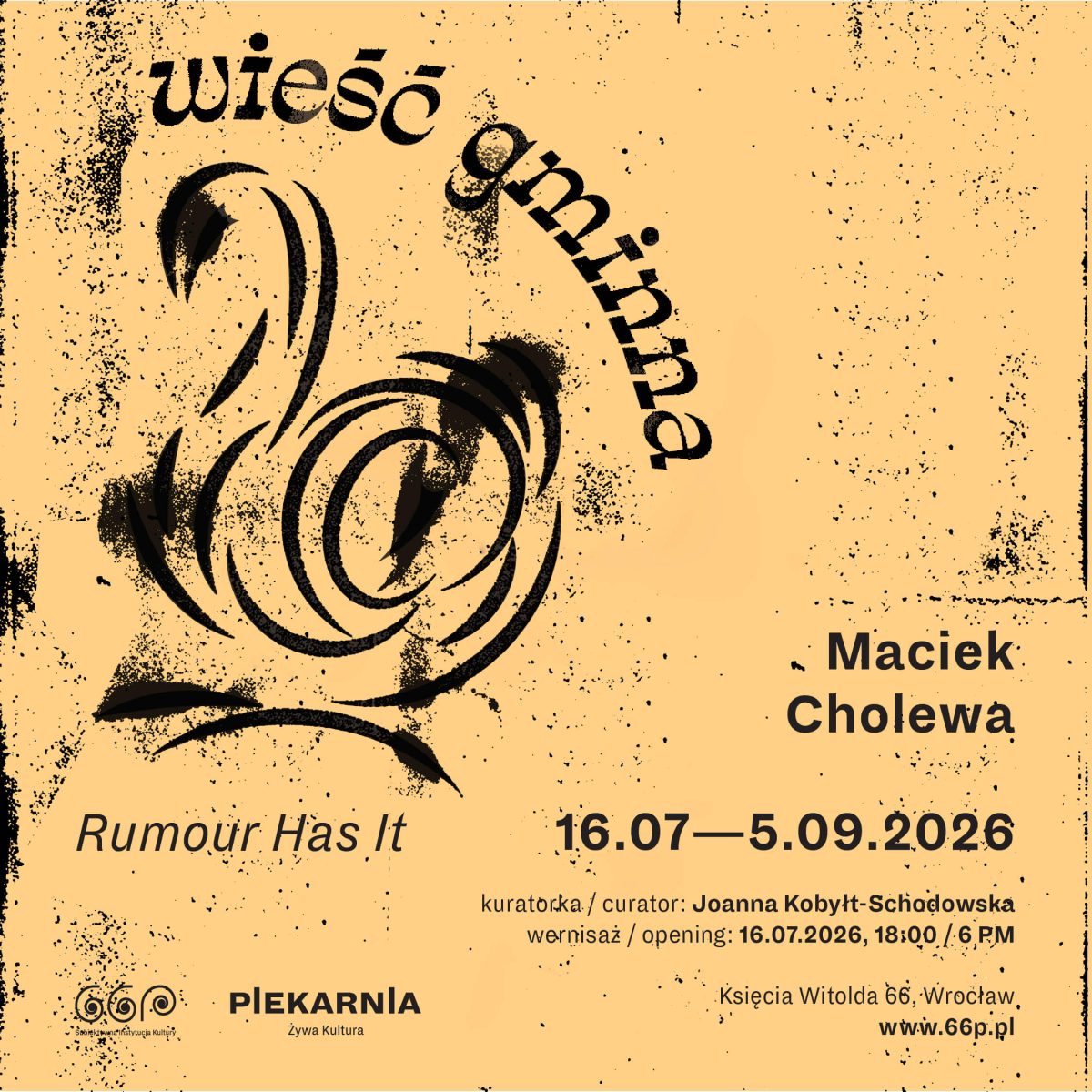
The starting point for Maciek Cholewa’s exhibition is a postcard from Radzionków dating from 1914. The artist’s hometown was depicted as it was imagined one hundred years into the future. Today, we know that the future of both large and small cities will not be a techno-optimistic utopia. Cholewa examines how we construct futuristic visions. In his works, he shifts the field of imagination, breaking down the boundaries between the local and the global, speculation and humour. The exhibition weaves together many narratives, each of which opens up different possibilities for reading the relationship between what is and what is yet to come.
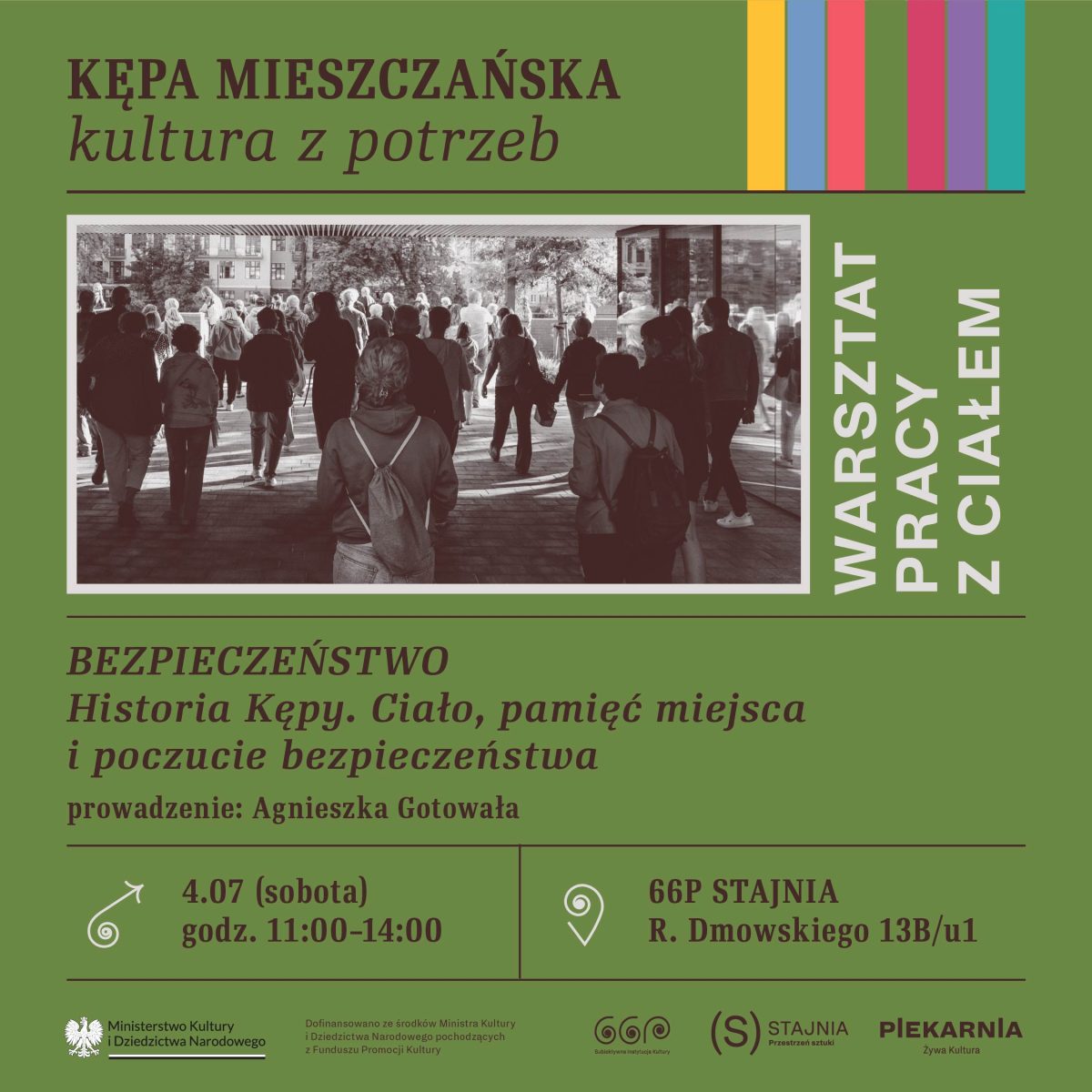
On July 4th, we invite you to the next educational workshop in the series "Kępa Mieszczańska: From Needs to Culture". The workshop will be conducted in an atmosphere of openness to diversity, ensuring that every participant feels completely safe. It is open to everyone, and no previous experience of movement or bodywork is required.
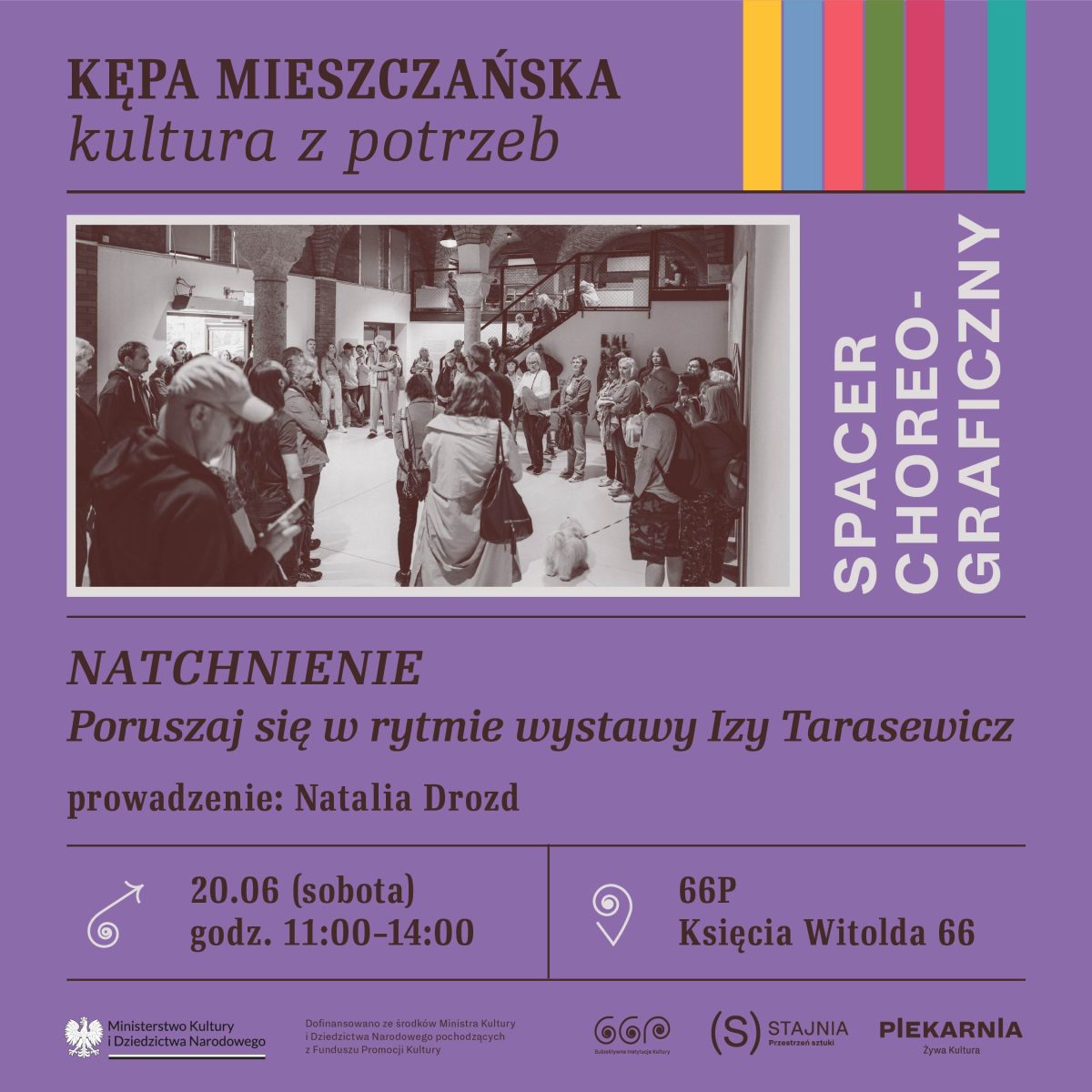
On June 20th, we invite you to the next educational workshop in the series "Kępa Mieszczańska: From Needs to Culture". This workshop is also an open space for Deaf and hard-of-hearing participants. We want to create a shared experience of movement, presence and communication that does not rely solely on words. The workshop will be interpreted into Polish Sign Language, allowing you to participate fully in the process and feel part of the group.
The starting point for Maciek Cholewa’s exhibition is a postcard from Radzionków dating from 1914. The artist’s hometown was depicted as it was imagined one hundred years into the future. Today, we know that the future of both large and small cities will not be a techno-optimistic utopia. Cholewa examines how we construct futuristic visions. In his works, he shifts the field of imagination, breaking down the boundaries between the local and the global, speculation and humour. The exhibition weaves together many narratives, each of which opens up different possibilities for reading the relationship between what is and what is yet to come.
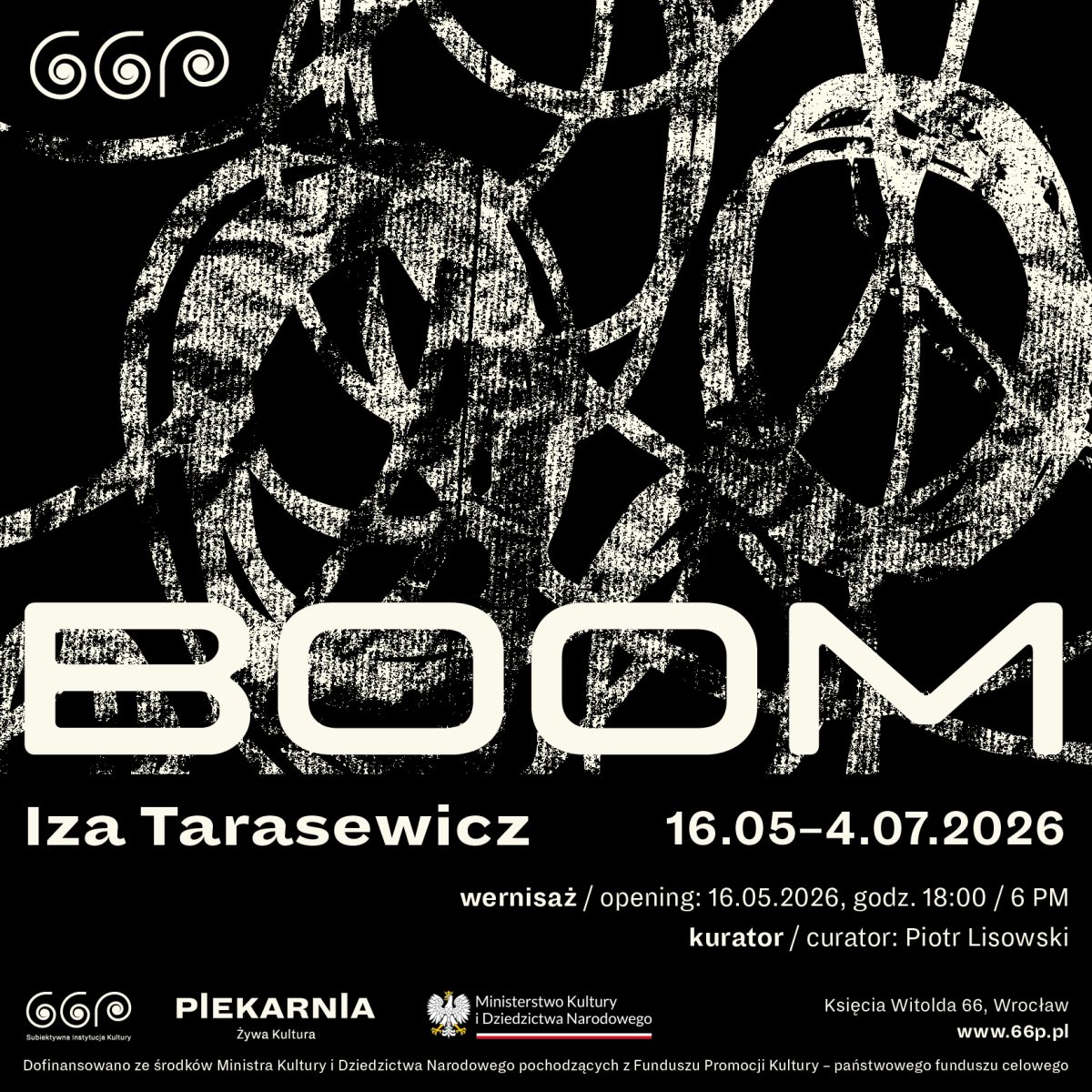
The exhibition raises the question of how to re-establish a connection with the surrounding world and how to reformulate the relations between the individual, the collective and the environment. Tarasewicz’s works show the possible trajectories for such reflection, functioning as processual maps that stimulate the imagination of future modes of coexistence.
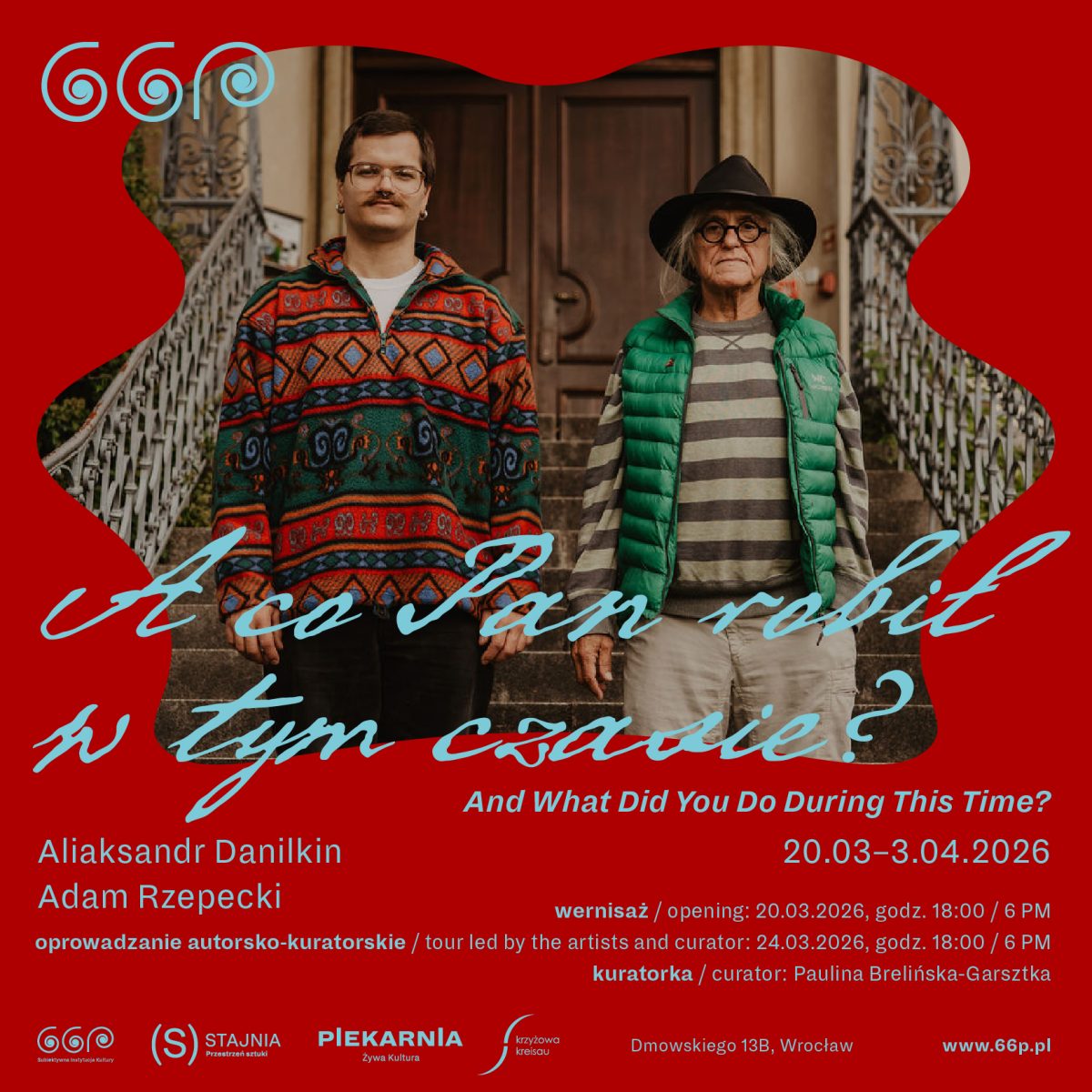
The exhibition presents the results of six weeks of work by two artists whose biographies and artistic languages differ significantly. What they share, however, is a reflection on memory and time as well as their parallel activities during the Konrad and Paweł Jarodzki Artistic Residency in Krzyżowa at the turn of September and October 2025.
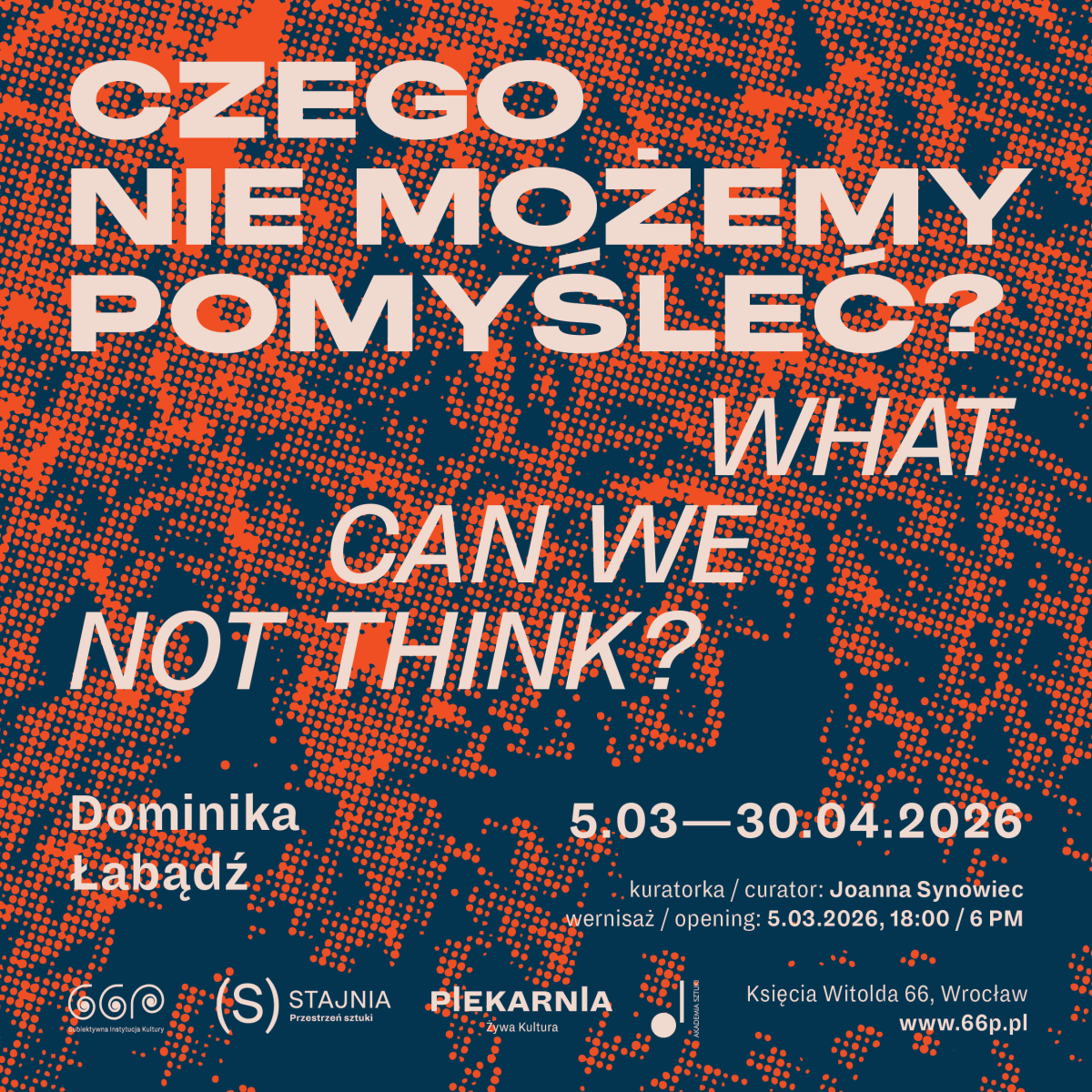
What We Can't Think? is an exhibition about being sensitive to a world in which humans are just one being among many. The starting point is the ecological and social destruction of capitalism and an attempt to transcend its logic. The exhibition consists of two-channel video and straw-like objects suspended between the living and the inanimate.
On September 26th, we invite you to the last educational workshop in the series "Kępa Mieszczańska: From Needs to Culture". The workshop will offer an opportunity to discover how everyday movement can be not only a means of getting around, but also a tool for attentively exploring the city, our own bodies and our relationship with our surroundings. We will look at how technology records our actions, but also at how the routes we choose reveal our individual rhythms, habits and ways of using space.
On September 19th, we invite you to the next educational workshop in the series "Kępa Mieszczańska: From Needs to Culture". Join us for a family and neighbourhood gathering combined with a walk, during which we will create a map of Kępa Mieszczańska together – not the official one, but a personal map made up of our memories, experiences and stories about the places that matter to us.
On August 29th, we invite you to the next educational workshop in the series "Kępa Mieszczańska: From Needs to Culture". The starting point for the meeting will be Maciek Cholewa’s exhibition Rumour Has It, which explores the gaze, imagination and the relationship between the local and the global. During the workshop, we will try to slow down and discover what happens when we allow ourselves simply to be with the works.
On July 4th, we invite you to the next educational workshop in the series "Kępa Mieszczańska: From Needs to Culture". The workshop will be conducted in an atmosphere of openness to diversity, ensuring that every participant feels completely safe. It is open to everyone, and no previous experience of movement or bodywork is required.
On June 20th, we invite you to the next educational workshop in the series "Kępa Mieszczańska: From Needs to Culture". This workshop is also an open space for Deaf and hard-of-hearing participants. We want to create a shared experience of movement, presence and communication that does not rely solely on words. The workshop will be interpreted into Polish Sign Language, allowing you to participate fully in the process and feel part of the group.
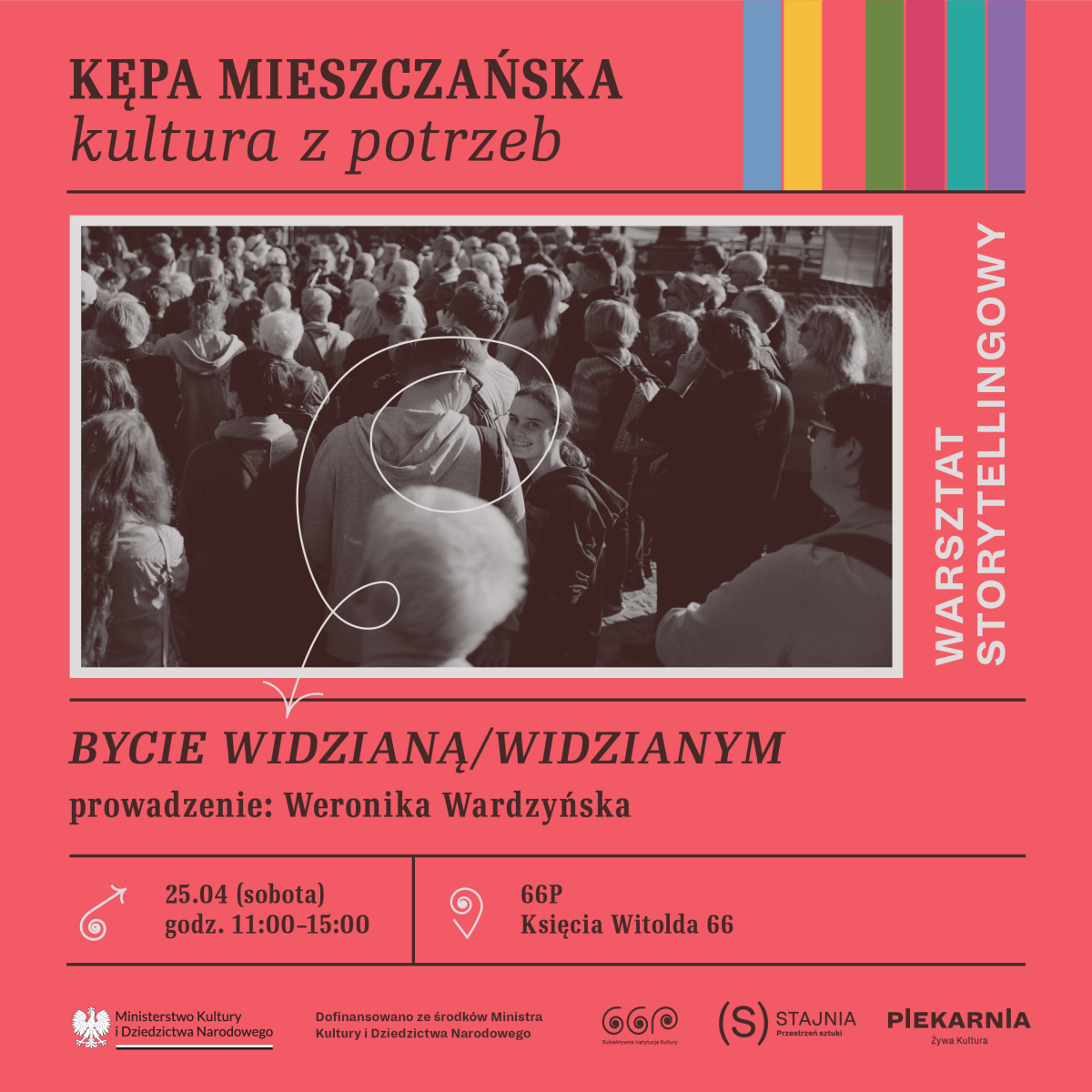
On April 25th, we invite you to the first educational workshop in the series "Kępa Mieszczańska: From Needs to Culture". The workshop addresses the universal needs described by Marshall Rosenberg—such as the need to be seen, to move, to inspire, and to rest. Above all, however, it is a space for encounter: with others and with oneself. No experience is necessary—just curiosity and a desire to be part of this story.
The exhibition presents the results of six weeks of work by two artists whose biographies and artistic languages differ significantly. What they share, however, is a reflection on memory and time as well as their parallel activities during the Konrad and Paweł Jarodzki Artistic Residency in Krzyżowa at the turn of September and October 2025.
Zbigniew Libera begins his stay in 66P with a story about selected fragments of the book Art of Liberation.
On June 18 we will show the premiere work Metric Measures at the White Goddess dance theater.
Ciepielewska has consistently developed her performative practices and painting themes since the 1980s, often in opposition to Western rationality, deriving inspiration from shamanism, animism and elements of Eastern spirituality.
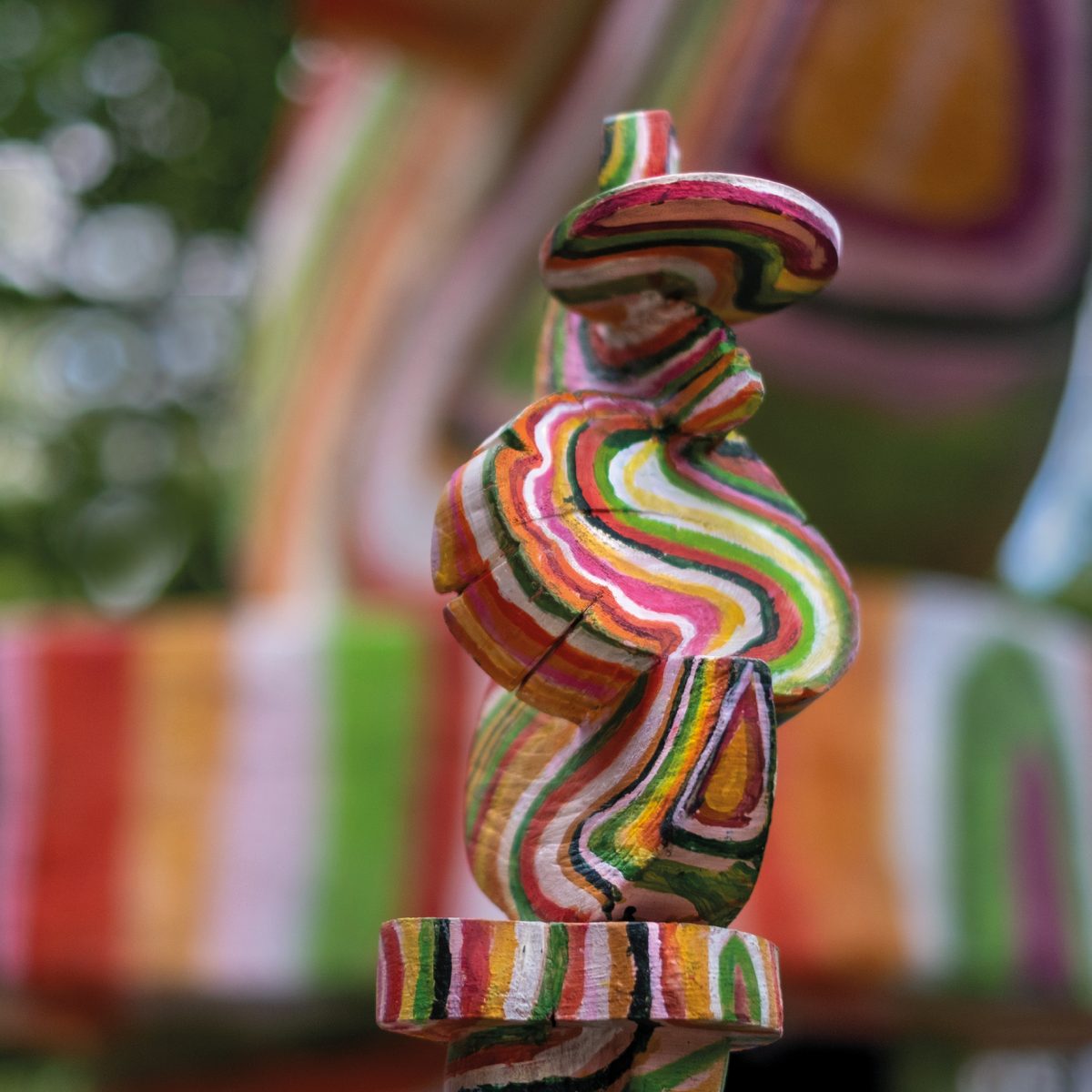
When I paint a wingling, I have to keep repeating the same painting around it. The winglings refer to the rhythms of nature, the colourful lines are the lines of the fields. Karolina Kolenda talks with the artist.
It appeared in Wrocław to please the eye, surprise the passers-by and share good vibrations with them. It looks as if it was float in the air, dazzling with its light-hearted hues, urban chic and spontaneous joy. To be seen on Księcia Witolda 66 street – you are welcome!