
War Garden: Plants in Times of Conflict
Mira Boczniowicz, Anna Bujak, Natalia Kopytko, Dominika Łabądź, Karina Marusińska
artists: Mira Boczniowicz, Anna Bujak, Natalia Kopytko, Dominika Łabądź, Karina Marusińska
soundtrack for the exhibition: Czarny Latawiec (in collaboration with Agnieszka Kłos)
curator: Agnieszka Kłos
opening: 18 September (Thursday), 6 p.m
tour with the artists and curator: 19 September (Friday), 6 p.m
The exhibition is presented simultaneously in two spaces of PIEKARNIA Living Culture: Galeria Geppart ASP Wrocław and 66P Subjective Institution of Culture
Galeria Geppart: 4–27 September 2025
66P: 18 September–22 November 2025
Ecological Imagination at the Geppart Gallery and 66P
The exhibition War Garden: Plants in Times of Conflict presents a microhistory in which plants are not only silent witnesses, but active participants in the events of the Second World War. They accompanied people both on the front lines and in daily life – as sources of hope, food, and medicine, and as symbols of survival in the face of catastrophe.
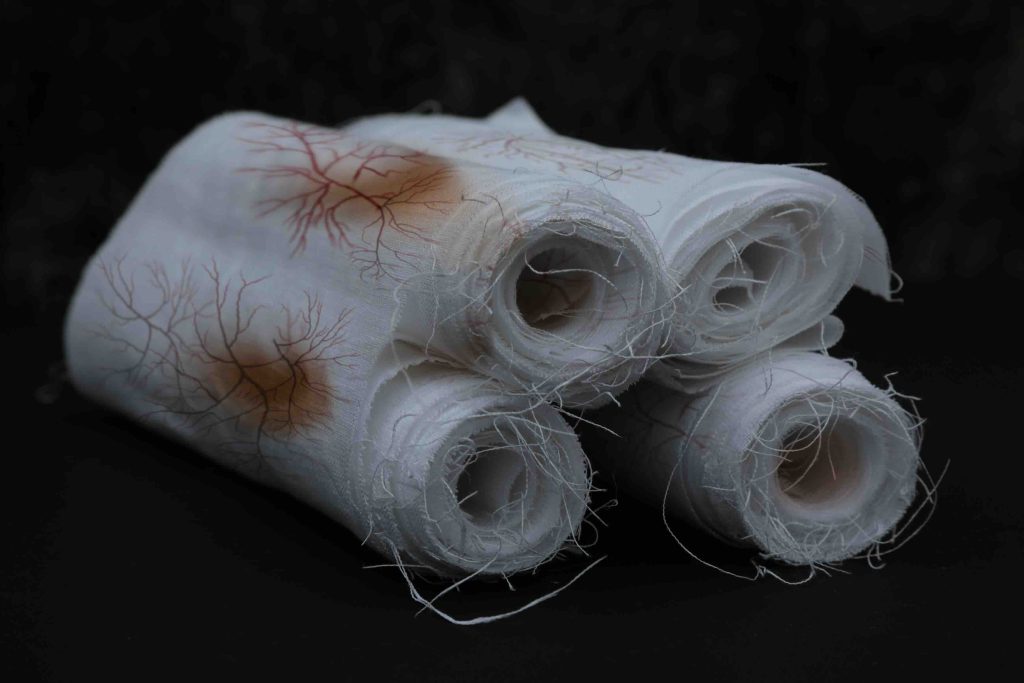
The works by contemporary female artists explore women’s relationships with specific plant species – such as tomatoes, nettles, and flax – whose importance grew as hostilities escalated. The exhibition encourages reflection on how women engaged with these plants, also in the daily reality of concentration camps and ghettos, as they fought to survive in inhumane conditions.
Beyond their practical uses, the exhibition reveals the deep symbolism of plants – signs of resistance, hope, and memory. It tells the story of a green legacy that endures 80 years after the end of the war.
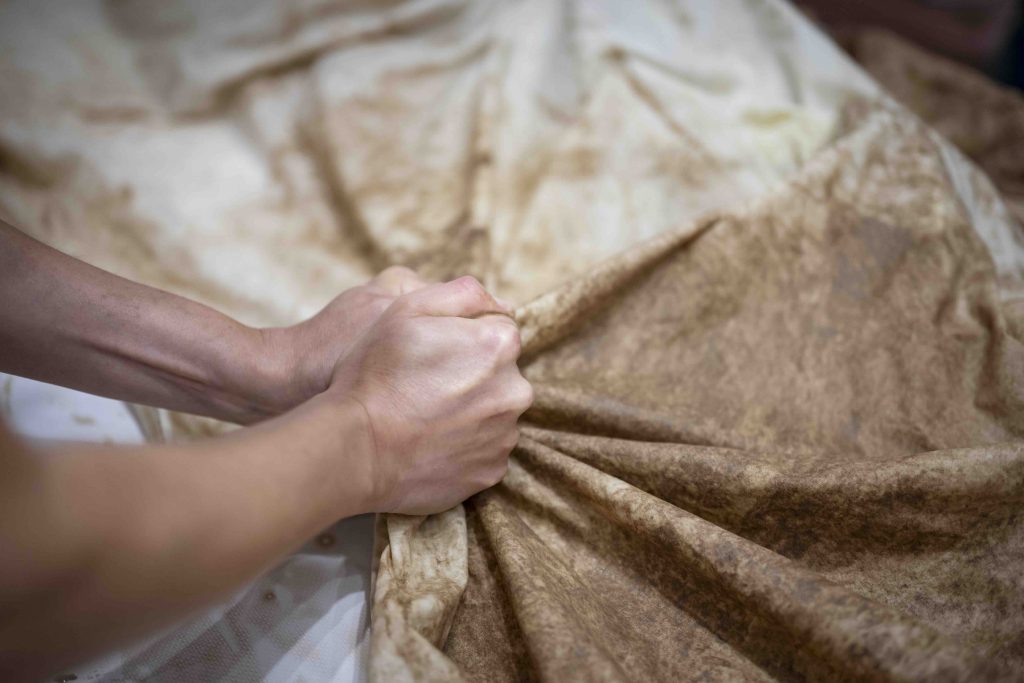
The Plant as Subject of Stories
After the Second World War, the concept of ecological imagination emerged within the new humanities as an alternative way of understanding the relationship between humans and the natural world. Rooted in reflections on history, memory, and ethics, it challenges anthropocentric paradigms and offers new interpretative frameworks.
This exhibition does not tell a story in the traditional sense. It is not about people seen through human eyes, but about trying to show the experience of war from the perspective of those who usually remain silent – plants. It asks whether nature can be seen as a witness to history: can plants carry traces of violence, hunger, and forced adaptation?
A key curatorial context of the exhibition is precisely this concept of ecological imagination – a way of thinking that moves beyond anthropocentrism and acknowledges the role of non-human life in shaping and preserving memory.
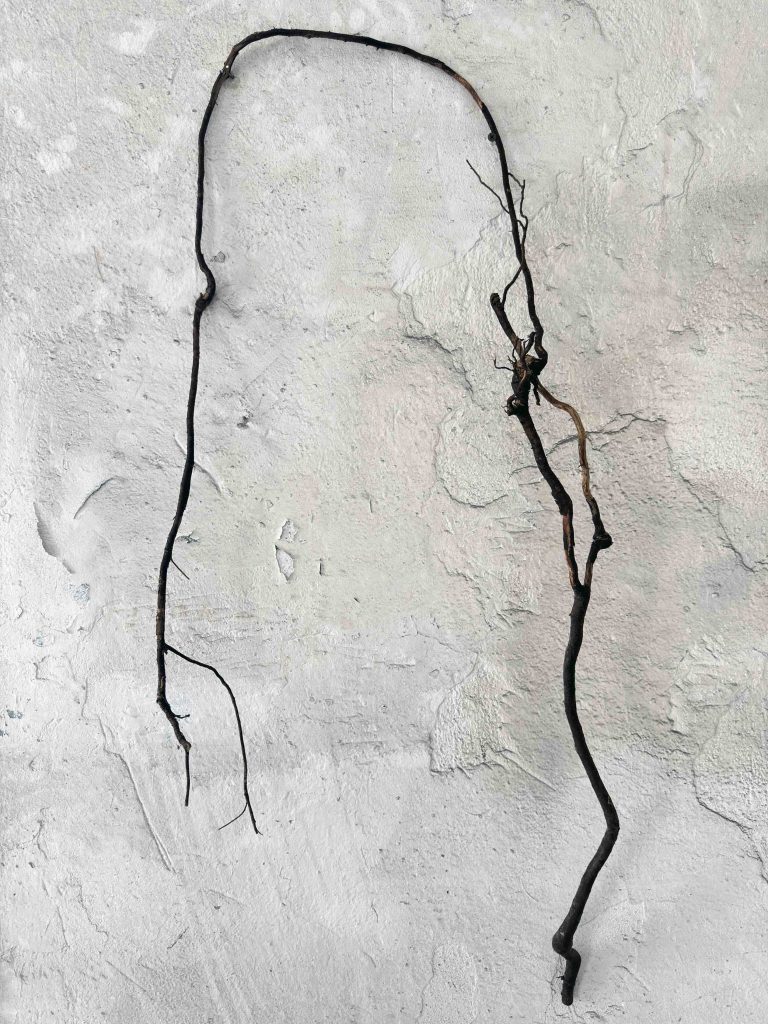
The Plant as Witness and Living Archive
In the part of the exhibition devoted to destruction, violence, and cruelty, the plant appears as a material witness. Using examples of species that survived bombings or grew around concentration camps, it shows that testimony does not need to be verbal. As Susan Schuppli writes, we live in an era of the “material witness” – any entity whose body bears traces of the past can carry memory. A plant rooted in a ghetto did not simply “exist” there; its tissues, reactions, and presence have preserved the history of that place.
The next part of the exhibition, devoted to adaptation and melancholy, casts plants as a medium of memory. Nature does not need marble to remember – a cycle is enough. A plant is not a monument, but a living archive that persists despite change, ages, and is reborn. The exhibition draws on the voices of artists who believe plants remember better than stone: they never forget, even though they do not communicate directly. Following this intuition, it tells stories through plants that have survived, endured death, and now carry their histories in silence.
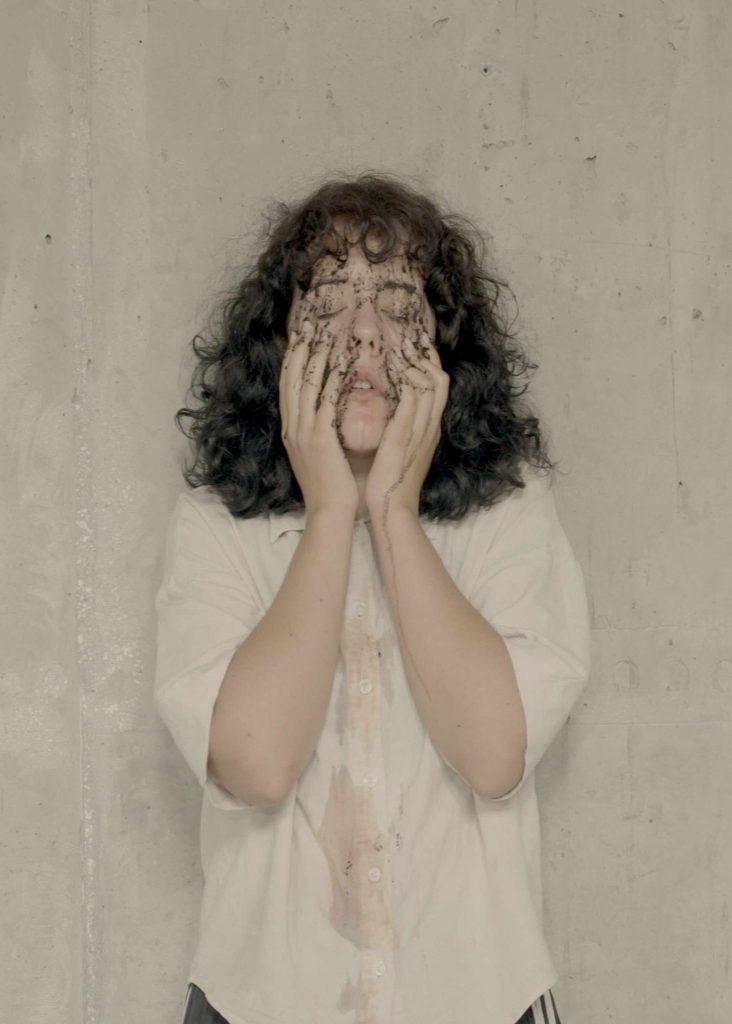
Plants as Participants in Communication and a Substantial Part of History
The question of non-human communication is central to this narrative. Is it possible to understand a plant? Can we enter into a narrative-based relationship with it? Here we draw on Eduardo Kohn’s view that all living things – not just humans – use signs, communicate, and respond to the world. His well-known question, “What might it mean to say that forests think?” captures the potential of the entire exhibition. We ask not only what plants have experienced, but also how they talk to us: through scent, presence, and persistence in hostile environments.
In War Garden, history and nature are shown as materially inseparable. We include the testimony of a Brzezinka resident who recalls that birch trees grew there “on human ashes.” This is not a metaphor but biological reality. The birch is not just a witness – it becomes a substantial part of history, having literally absorbed it. This perspective demands a new ethic of memory: respect for what lives in places of death and recognition that history can be held in the bodies, roots, and sap of plants.
The Plant as a Subject of Survival
The exhibition challenges the instrumental treatment of nature – as raw material, backdrop, or tool. The act of transplanting trees, shown in documentary footage, is shown as a form of violence: imposing new conditions on plants against their rhythms and biological needs. It is both an image of human power over the defenceless and a subtle affirmation of plant resistance – their ability to endure despite violence.
War Garden is not a nostalgic account of gardening in hard times. It is a radical attempt to tell the story of the Second World War through the prism of plants – not as decorative elements, but as beings that have seen, survived, preserved memory, and perhaps even think. It is about a more-than-human world, existing alongside and before us, which – though it does not speak our language – may express the truth about what happened.
Situating the Exhibition in the Context of Survival
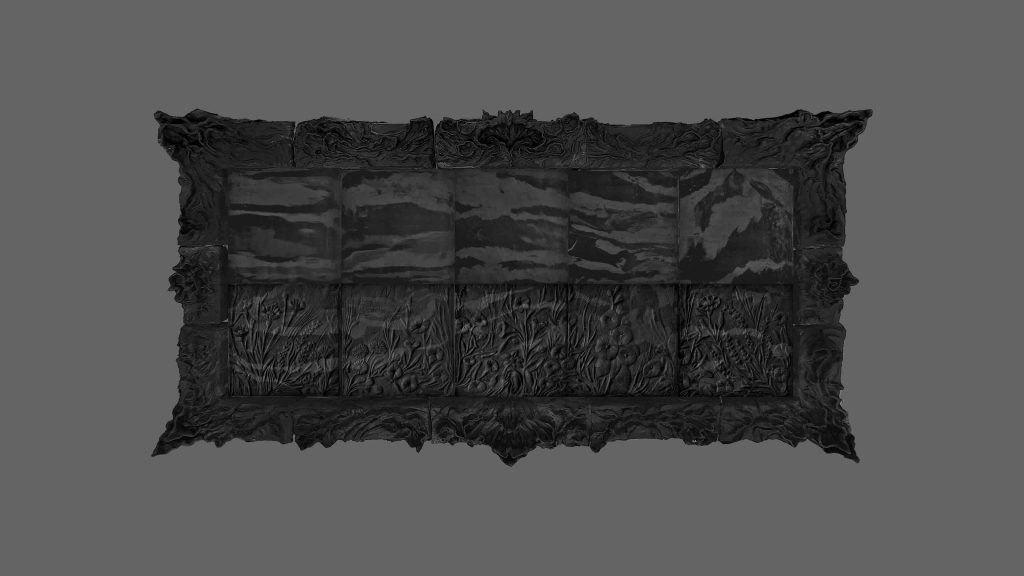
War Garden: Plants in Times of Conflict stands between two ideas – plants as supportive entities and plants as survivors, carriers of life in times of destruction. This perspective transforms flora from a neutral backdrop into figures of resistance, presence, and biological memory in wartime.
Marking the 80th anniversary of the end of the Second World War in 2025, the exhibition invites viewers to explore the microhistories of everyday survival recorded in the bodies of plants. While war destroyed human worlds, flora endured – in shadows, on the margins, in hiding – offering shelter, nourishment, and meaning.
Plants were not passive elements of the landscape. Tomatoes, nettles, flax, herbs, and flowers – each played a specific role in the lives of camps, ghettos, and refugees. They became not only means of survival but also markers of presence and silent witnesses to events.
As Elfriede Jelinek writes, “The war left the forest full of shadows.” The shadow of war falls on greenery, but also the reverse: greenery preserves something of humanity. This tension between destruction and endurance is where the exhibition’s essence lies.
Plants in the Face of Violence and in the Rhythm of Melancholy
Part of the exhibition addresses aggression, destruction, and violence – the explosive moment that brutally interrupts the continuity of life. In The Hunger Angel, Herta Müller writes: “Hunger is not a bunker or a bed frame (…). Hunger is not an object.” This captures the invisibility of suffering while pointing to its material surroundings – a world in which nature, sometimes the only source of food, becomes both witness and participant. Plants present in landscapes of violence gain significance here – not as background, but as bodies marked by history.
The second part of the exhibition focuses on melancholy and adaptation – emotions and biological rhythms shaped by life in the shadow of violence. Müller observes: “The earth is paper-thin” – a fragile yet evocative image. The earth, as a surface of memory, is open to recording trauma, yet it can also regenerate. Plants growing in this earth adapt to the conditions, storing traces of the past in their biology – quietly but tellingly. It is a story of life that continues – not in spite of history, but carrying its full weight.
Biographical note
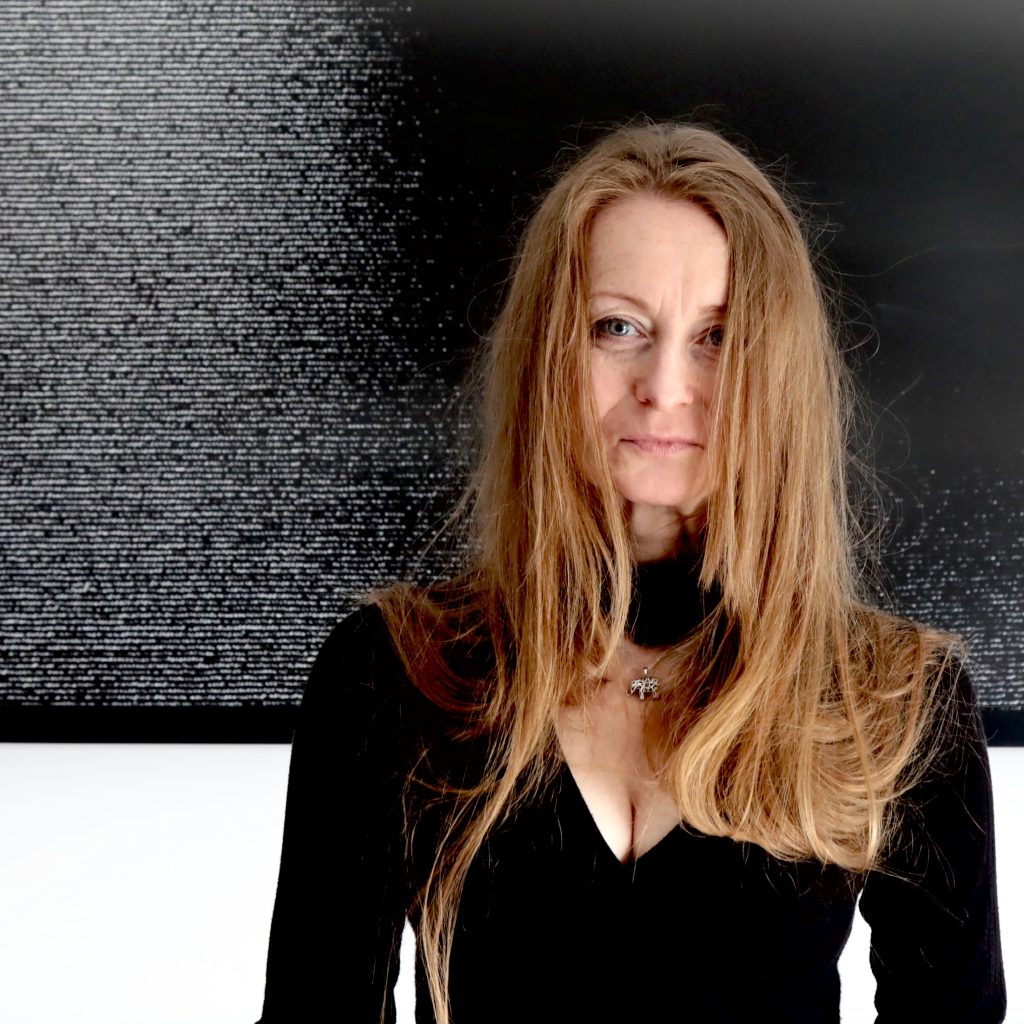
Mira Boczniowicz alias MiRART.73 is a visual and video artist. She identifies with the Spanish word mira, which means “look!”. MiRART.73 is an acronym referring to Article 73, Chapter II of the Constitution of the Republic of Poland. She describes her work as follows: In artistic imaging, my experience revolves around visual sociology, performance studies, gender optics, social corsets, subversion, somatic actions, visual sequentiality, and the phenomenon of perception as a case of here-and-now illusion. I am also interested in transhumanism, quantum theory, strange shapes, and the eleventh dimension. Mira is a member of the WRO Media Art Center and THE SELF PRESERVATION SOCIETY. A professor at the Eugeniusz Geppert Academy of Art and Design in Wrocław, she teaches in the areas of inventics, structural knowledge, and methods of imaging in design and art. She serves as vice-chair of the eUterus programme. In the last decade, in cooperation with art foundations, she has been involved in building a film collection/archive devoted to art.
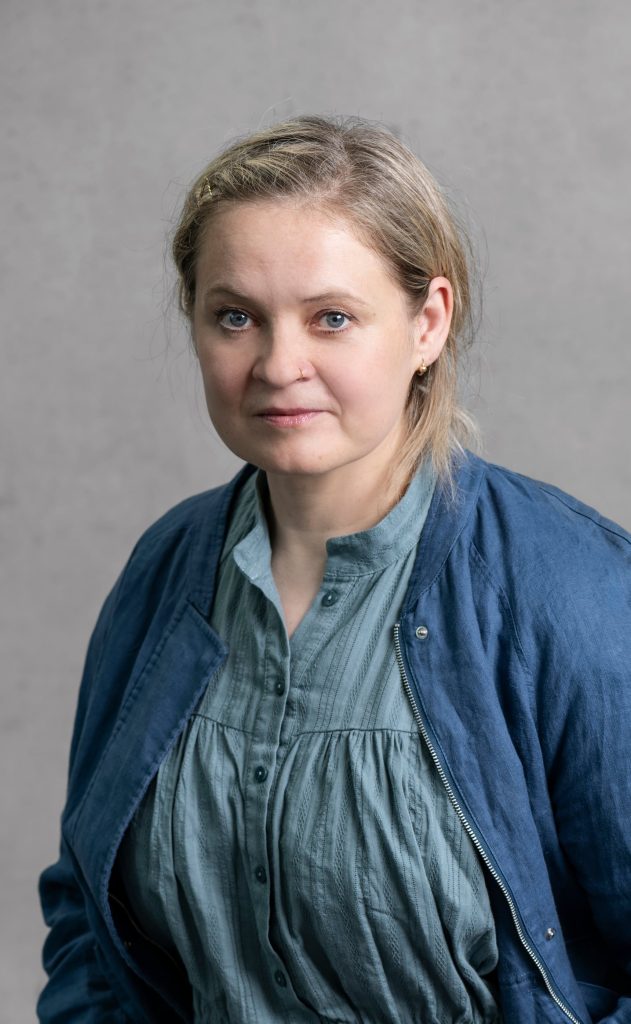
Anna Bujak is a sculptor, visual artist, and creator of installations. She graduated from the Eugeniusz Geppert Academy of Art and Design in Wrocław, Faculty of Sculpture and Painting (2011), and from the Faculty of Humanities, Institute of History at Akademia Świętokrzyska (2008; today: Jan Kochanowski University) in Kielce. She is the recipient of numerous scholarships and artistic awards, including: the Scholarship of the Minister of Culture and National Heritage (2024, 2011); the Scholarship of the Mayor of Wrocław (2023); the Jerzy Grotowski Scholarship for doctoral students in the field of art (2014); and the Emocje Award of Radio Wrocław Kultura in the field of visual arts (2025). She was nominated for Gazeta Wyborcza’s WARTO cultural award (2015) and was the winner of Digital Residency II at OP ENHEIM Gallery, Wrocław (2021). Her works are held in the collection of the Lower Silesian Society for the Encouragement of Fine Arts at the Wrocław Contemporary Museum. She lives and works in Wrocław. She writes: I am interested in contradictions; I navigate between order and destruction. I want the created object to have an attractive force, yet it must also contain a repelling element. The objects I construct reflect my private experiences as well as historical traumas and global events that affect us all.
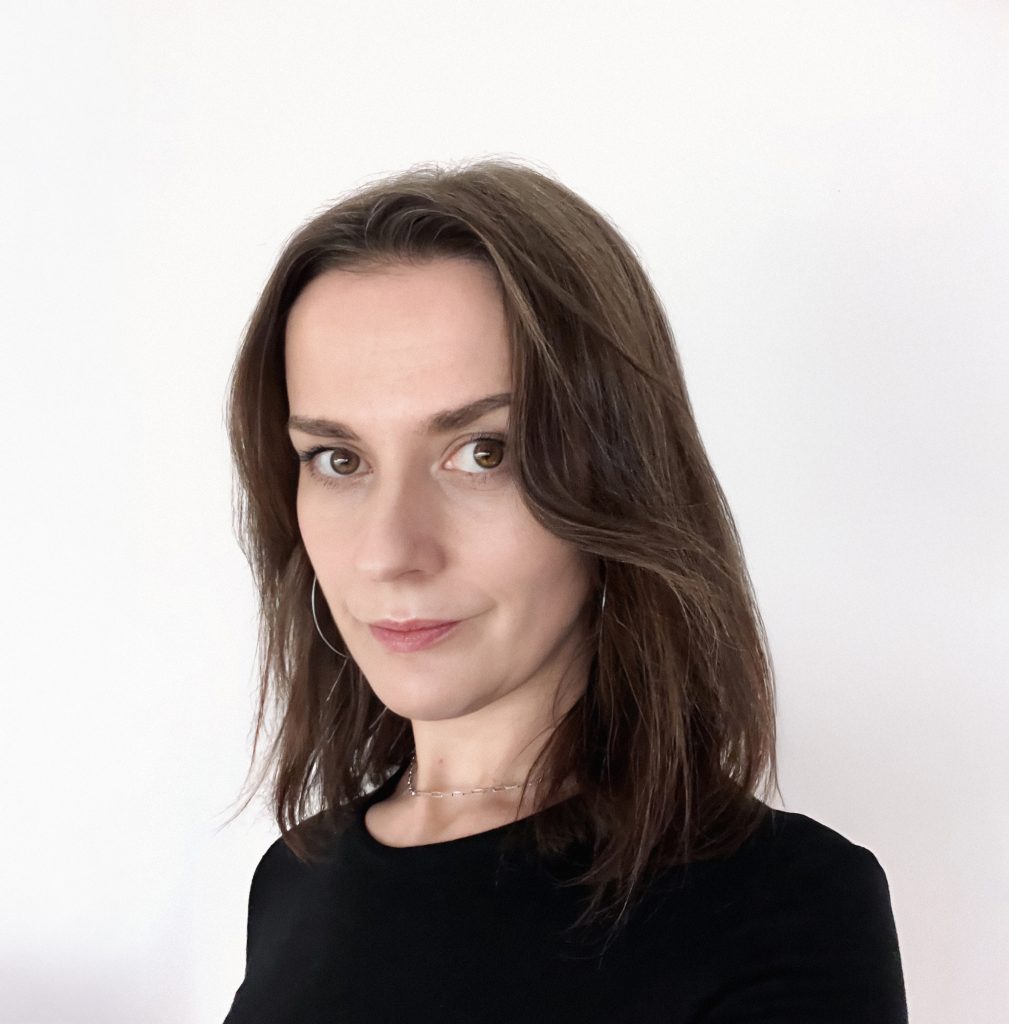
Natalia Kopytko has graduated from the Faculty of Sculpture at the Academy of Fine Arts in Kraków. In 2007 she obtained her master’s degree with distinction. In 2005 she studied at the Universidad Politécnica de Valencia, Faculty of Fine Arts. In 2019 she defended her doctoral thesis entitled Droga prowadzi przez szafę [The Path Leads Through the Wardrobe] at the Faculty of Art of the University of the National Education Commission in Kraków (UKEN). She has worked there as an assistant since 2016, and since 2019 as an adjunct professor in the Institute of Art and Design, where she runs the Ceramics Studio. In 2016 she received a scholarship from the Minister of Culture and National Heritage under the “Young Poland” programme for the project Łysa Góra. Ludzie i ceramika [Łysa Góra: People and Ceramics]. She also received a City of Kraków Scholarship (2018) and, in 2020, a scholarship under the Resilient Culture programme. She works primarily in sculpture and installation, most often using ceramics. In her artistic practice she addresses themes related to memory, seeking out traces, exploring reflections of non-existent things, and evoking what has been forgotten. She is interested in what she calls the archaeology of childhood: exploring places, objects, and events with unique significance, whose image is distorted and blurred, difficult to grasp directly. She often draws inspiration from the home, where intricate, multilayered, and magical relationships exist between people, objects, and space – including space linked to nature. She has had numerous solo and group exhibitions in Poland and abroad. She is a member of the artistic collective O.W.L. She lives and works in Kraków.
www.nataliakopytko.com
www.instagram.com/natalia__kopytko/
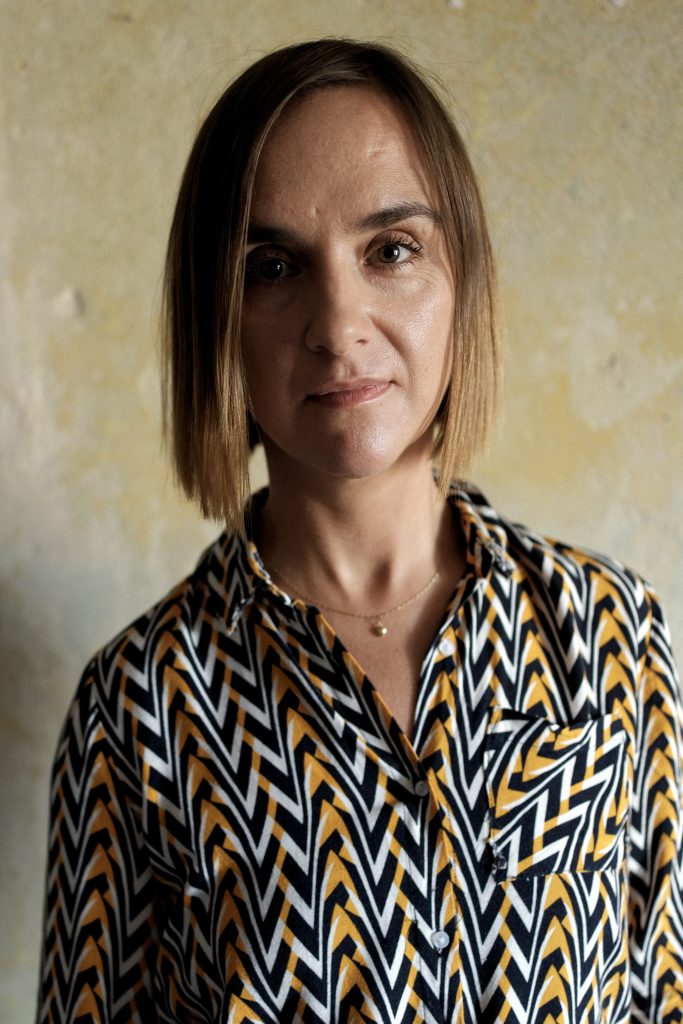
Agnieszka Kłos is an art critic, curator, and writer. Member of the International Association of Art Critics (AICA) since 2012. She works as an adjunct professor at the Eugeniusz Geppert Academy of Art and Design in Wrocław, where she co-founded the Department of Art Mediation and ran postgraduate studies in contemporary art mediation. She holds a PhD in the humanities, specialising in the study of the relationship between Holocaust history, cultural memory, and contemporary art. Her literary and curatorial work focuses on exploring the landscape as a space of memory, sites of trauma, and their impact on individual and collective identity. A co-founder of the Mieszkanie Gepperta Gallery, where, between 2006 and 2008, she ran curatorial projects including Czytelnia Gepperta [Geppert’s Reading Room] and Wolna Amerykanka [Free-for-all]. Between 2001 and 2016 she was the editor of the Rita Baum magazine, and since 2004 has served as vice-president of the Rita Baum Cultural and Artistic Association. She is the recipient of numerous literary scholarships and awards. Her books have been nominated for, among others, the Witold Gombrowicz Literary Prize, the Angelus Central European Literary Award, and PolitykaPassportAwards. She has twice received scholarships from the Mayor of Wrocław, the Wisława Szymborska Foundation, and the Wrocław House of Literature. She is the author of the books Całkowity koszt wszystkiego [The Total Cost of Everything] (2008), Gry w Birkenau [Games of Birkenau] (2015), Wyższa czułość [Higher Sensitivity] (2020), Ciało poetyckie[The Poetic Body] (2022), Las zaginionych ludzi [The Forest of Lost People] (2023), and Przestrzenie Birkenau [The Spaces of Birkenau] (2024). In 2004, she initiated Książka za kraty [A Book Behind Bars] – Poland’s first nationwide book donation campaign for people in correctional facilities, which created a new model of social engagement in reading culture.
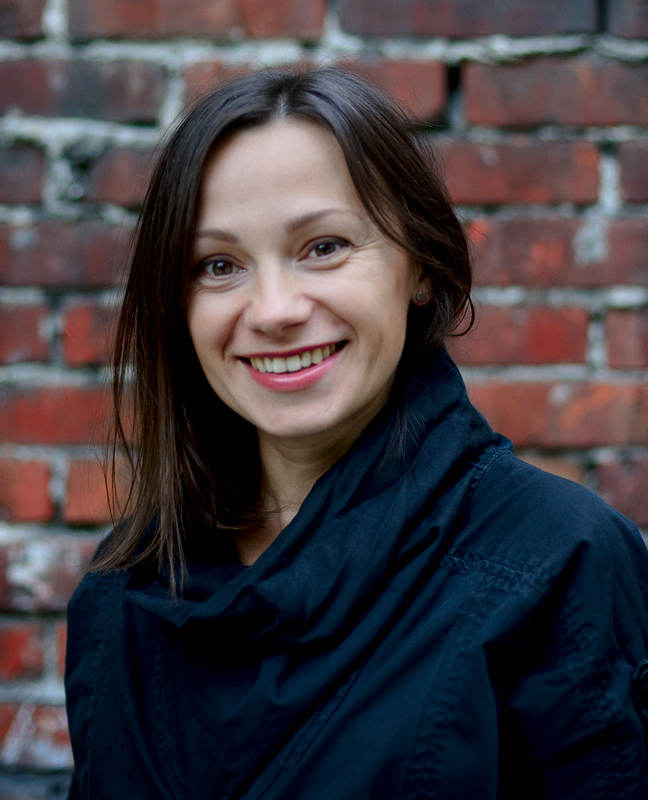
Karina Marusińska – urodziła się w Piotrkowie Trybunalskim (1983). Mieszka we Wrocławiu, gdzie ukończyła Akademię Sztuk Pięknych – Wzornictwo, Projektowanie Ceramiki (2003-2008). Studiowała także w ramach programów stypendialnych na hiszpańskim Uniwersytecie Kraju Basków w Bilbao (2007) i we francuskim Instytucie Ceramiki w Guebwiller (2008). Odbyła studia podyplomowe Design Management prowadzone przez Instytut Wzornictwa Przemysłowego i Kolegium Gospodarki Światowej Szkoły Głównej Handlowej w Warszawie (2009-2010) oraz międzynarodowe studia podyplomowe „Kaolin” na kierunku sztuka i design we współczesnej ceramice w ENSA Limoges we Francji i Chinach (2013-2014). Pracuje na wrocławskiej ASP jako adiunktka w Pracowni Ceramiki Kontekstualnej, prowadzonej wraz z prof. Mirosławem Kocińskim (od 2010). Jest artystką interdyscyplinarną, nauczycielką akademicką z tytułem doktory habilitowanej, animatorką społeczno-kulturalną. Współtworzyła grupę projektową Wzorowo (2008-2014). Należy do kolektywu Food Think Tank (od 2014) i grupy performerskiej Łuhuu! (od 2005). Jest wielokrotną stypendystką (m. in. Ministra Nauki i Szkolnictwa Wyższego, Ministra Kultury i Dziedzictwa Narodowego, Marszałka Województwa Dolnośląskiego, Marszałka Województwa Łódzkiego, Prezydenta Wrocławia), laureatką nagród (m. in. „Talent Trójki” Polskiego Radia, „Warto” Gazety Wyborczej, „Make me!” Łódź Design, Przeglądu Sztuki „Survival 14”, Nagrody Rektora ASP Wrocław), rezydentką (Francja, Chiny, Słowacja, Austria, Wielka Brytania), uczestniczką licznych krajowych i międzynarodowych wystaw, festiwali, sympozjów, plenerów. Jej prace znajdują się w zbiorach Krehky Gallery w Pradze, Muzeum Narodowego w Warszawie, Muzeum Narodowego w Krakowie, Muzeum Narodowego we Wrocławiu, Muzeum Regionalnego w Stalowej Woli oraz kolekcjach prywatnych.
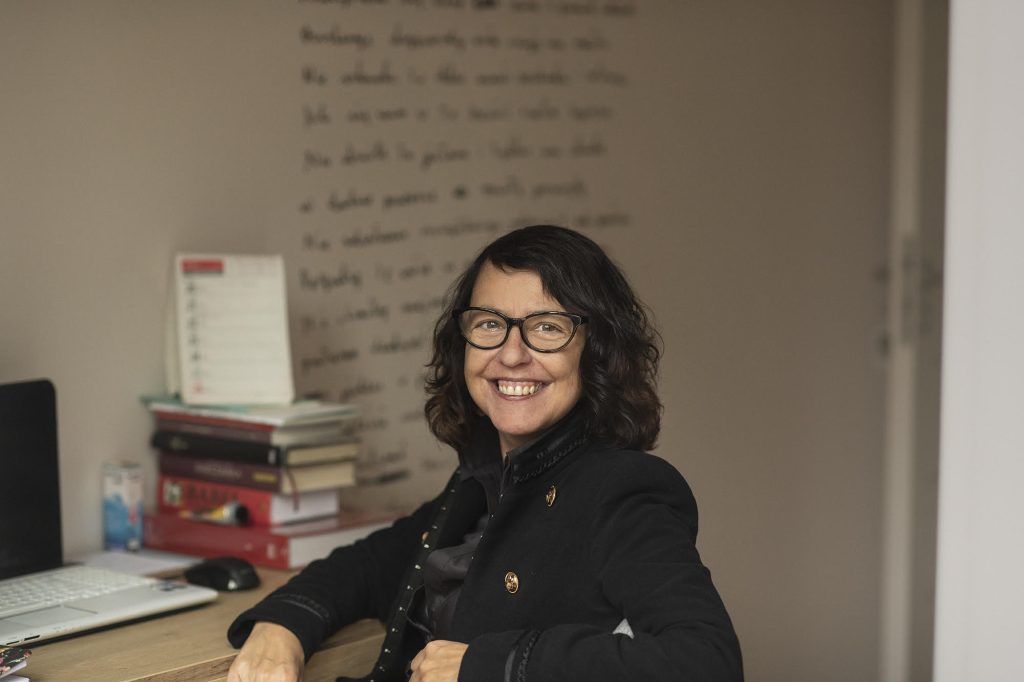
Agnieszka Kłos – krytyczka sztuki, kuratorka, pisarka. Członkini Międzynarodowego Stowarzyszenia Krytyków Sztuki AICA od 2012 roku. Pracuje jako adiunktka na Akademii Sztuk Pięknych im. Eugeniusza Gepperta we Wrocławiu, gdzie współtworzyła Katedrę Mediacji Sztuki i prowadziła studia podyplomowe z mediacji sztuki współczesnej. Doktor nauk humanistycznych, specjalizująca się w badaniu relacji między historią Zagłady, pamięcią kulturową a sztuką współczesną. Jej twórczość literacka i kuratorska koncentruje się na eksplorowaniu krajobrazu jako przestrzeni pamięci, traumatycznych miejsc oraz ich wpływu na tożsamość jednostki i wspólnoty. Współtwórczyni Galerii Mieszkania Gepperta, w której w latach 2006 – 2008, prowadziła projekty kuratorskie, m.in., „Czytelnię Gepperta” oraz „Wolną Amerykankę”. W latach 2001–2016 redaktorka magazynu „Rita Baum”, od 2004 roku wiceprezeska Stowarzyszenia Kulturalno–Artystycznego „Rita Baum”. Laureatka licznych stypendiów i nagród literackich. Jej książki były nominowane m.in., do Nagrody Literackiej im. Witolda Gombrowicza, Nagrody Angelus oraz Paszportów Polityki. Dwukrotna stypendystka Prezydenta Wrocławia, Fundacji Wisławy Szymborskiej i Wrocławskiego Domu Literatury. Autorka książek: Całkowity koszt wszystkiego (2008), Gry w Birkenau (2015), Wyższa czułość (2020), Ciało poetyckie (2022), Las zaginionych ludzi (2023), Przestrzenie Birkenau (2024). Pomysłodawczyni pierwszej w Polsce ogólnokrajowej zbiórki książek dla osób osadzonych w zakładach karnych – „Książka za kraty” (2004), która zainicjowała nowy model społecznego zaangażowania w kulturę czytelniczą.
The 66P team and collaborators
organisation, production and implementation: Renata Jarodzka, Rafał Jarodzki, Piotr Lisowski, Mirek Łuckoś, Anna Krukowska, Mirek Chudy, Patrycja Ucieklak, Łukasz Bałaciński, Danuta Krzywicka, Teresa Hajłasz-Golonka, Michał Czapliński, Katarzyna Małolepsza, Kamil Olender
promotion: Fest Promo
graphic design: Ewa Głowacka
translation: Iuliia Lytsevych, Karol Waniek
media patrons: MINT, SZUM, MIEJ MIEJSCE, NN6T, Format, Radio Wrocław, Radio RAM